More pages in this section
Page last updated on 23-07-2026.
Our Environment
Real Time Dashboards
Purpose of these Monitoring Program Summaries
These Monitoring Program Summaries provide an overview of the Port of Townsville’s long-term environmental monitoring programs in and around Cleveland Bay. They have been prepared to support stakeholder engagement associated with the Sea Dumping Permit application and to explain how monitoring informs the Port’s broader environmental understanding.
The monitoring programs support understanding of natural environmental variability, the condition of key marine habitats and species, and the wider environmental context in which port operations, including maintenance dredging and sea placement of dredged material, occur.
This document presents high-level information. Detailed technical reports, data and methodologies are publicly available and referenced where relevant. Environmental conditions in Cleveland Bay are influenced by many interacting natural factors, including weather, river flows, cyclones and marine heatwaves. The monitoring programs described are designed to help understand these broader patterns over time, rather than attribute outcomes to any single activity.
[feature-block]
Relevance to the Sea Dumping Permit
These monitoring programs provide background information on the environmental conditions in Cleveland Bay over time. It supports understanding of natural variability and broader ecosystem patterns relevant to maintenance dredging and sea placement, while recognising the influence of multiple interacting environmental factors.
[/feature-block]
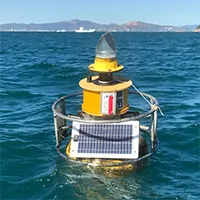
Marine Water Quality
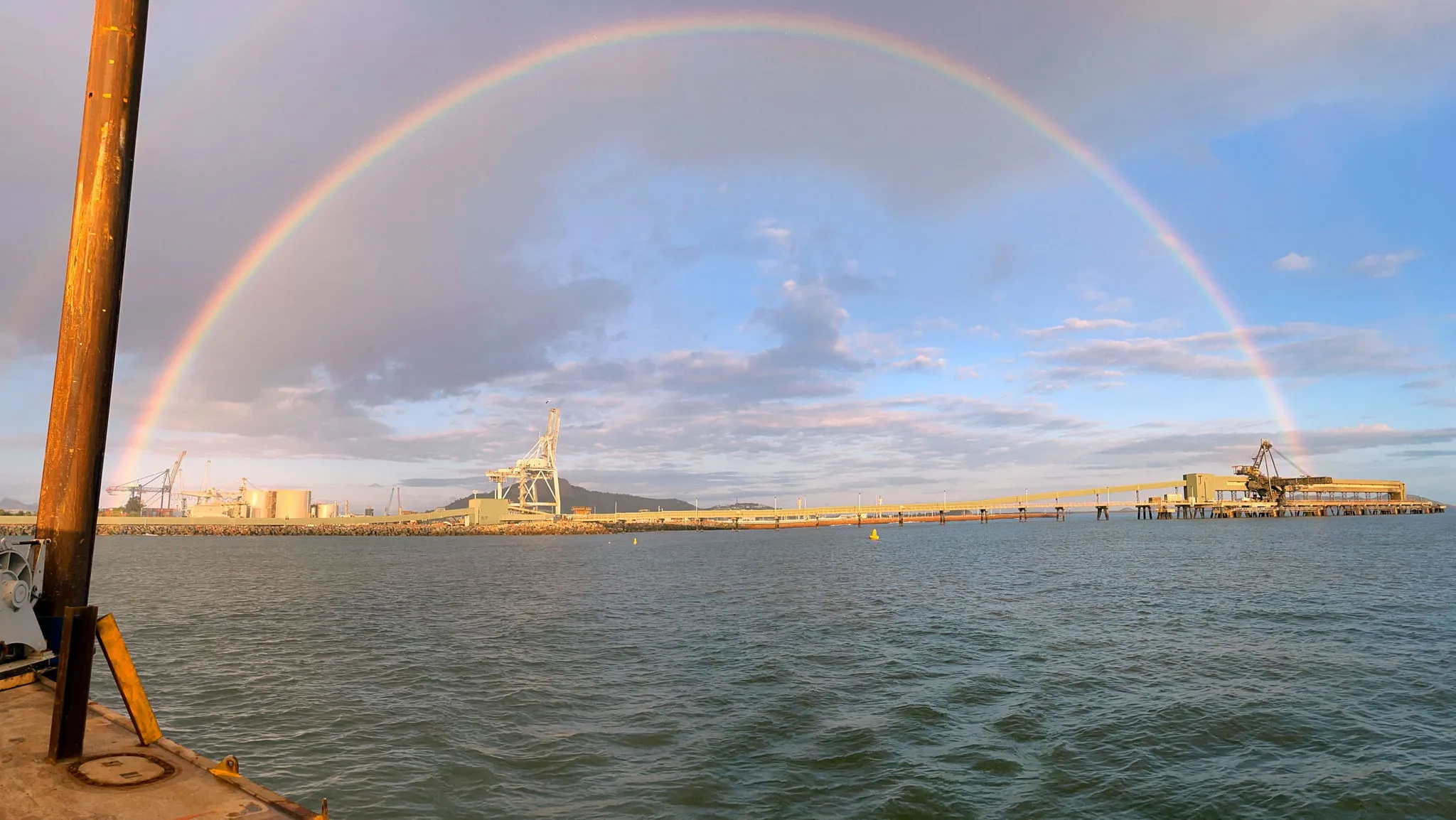
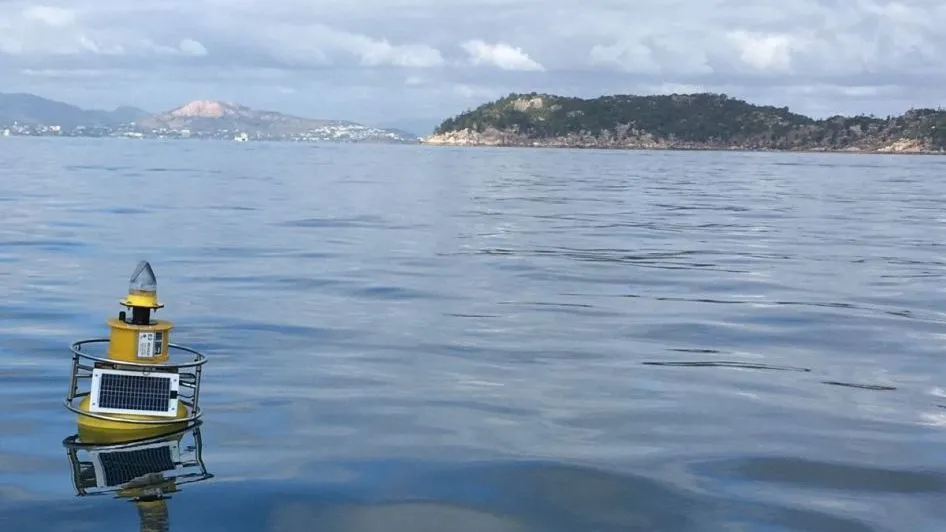
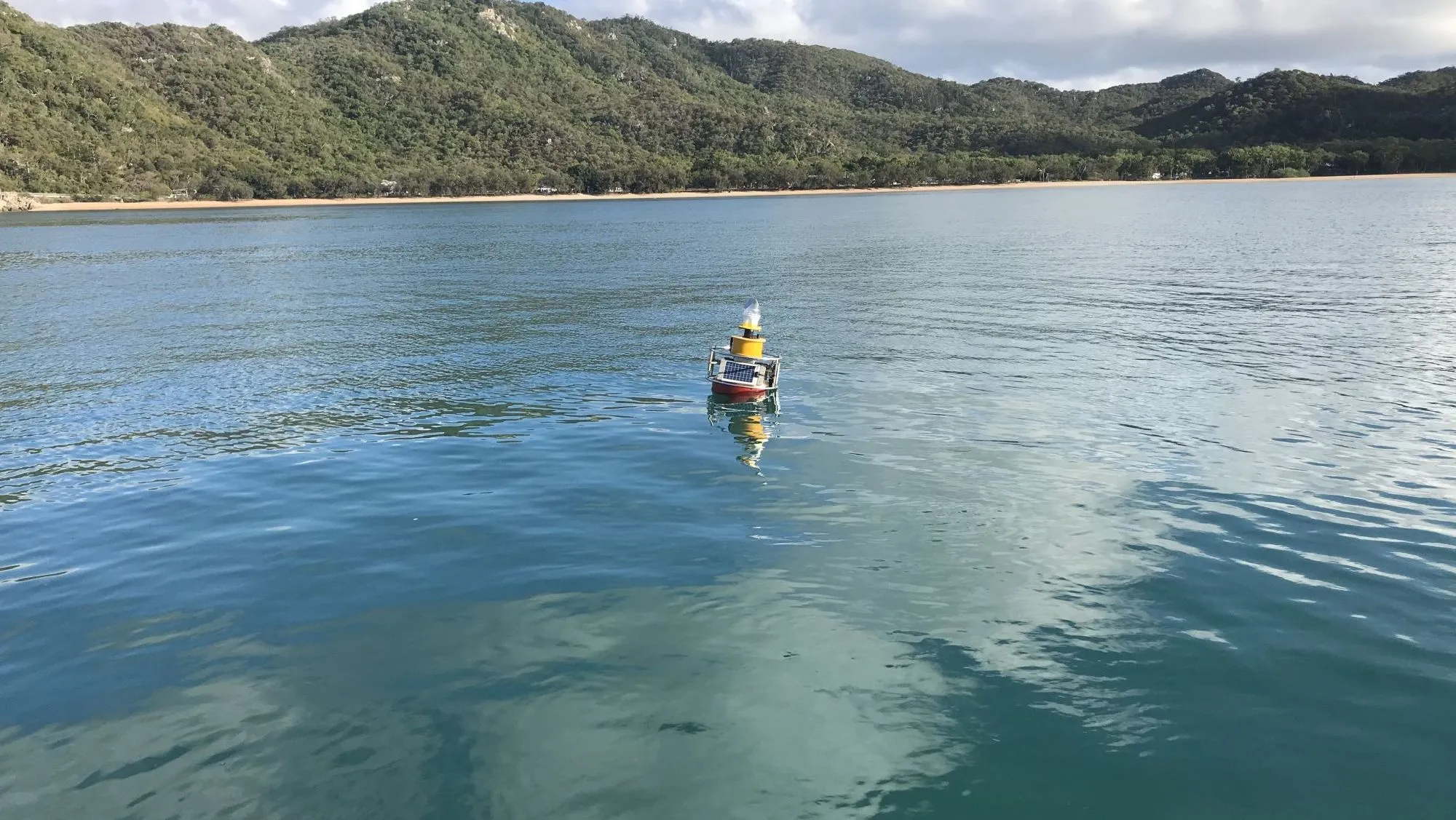
The Port operates a long-term marine water quality monitoring program to help understand spatial and temporal variation in water quality across Cleveland Bay and surrounding areas. Monitoring focuses on parameters such as turbidity, underwater light availability and temperature, particularly at locations near sensitive marine habitats.
The data provide context for understanding natural variability driven by weather events, seasonal conditions and regional climate influences. Information from this program informs broader environmental management and planning, including consideration of maintenance dredging and dredge material placement, while recognising that water quality is influenced by multiple factors.
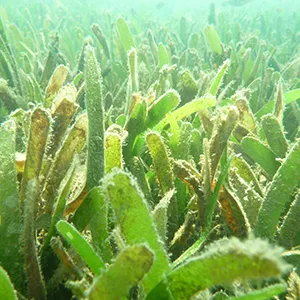
Seagrass
The Port has undertaken long-term seagrass monitoring across Cleveland Bay and southern Halifax Bay to assess changes in seagrass distribution, biomass and species composition over time.
The long-term nature of the program allows observed changes to be considered in the context of historical variability and broader regional trends. Results show that seagrass condition varies across locations and years, reflecting the influence of climate events, weather patterns and other environmental drivers.
Seagrass Monitoring - Technical Paper Healthy Waterways Report Card 2025
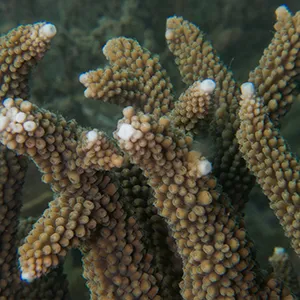
Coral
Coral reef communities in Cleveland Bay are characteristic of turbid-zone reef systems and naturally experience variable light and sediment conditions. The Port’s coral monitoring program provides information on coral condition and trends over time at selected reef locations.
Monitoring results demonstrate that coral condition varies between sites and over time, with changes influenced by extreme weather events, such as cyclones, as well as other environmental factors.
Coral Monitoring - Technical Paper Corals of the Townsville Region - StoryMap
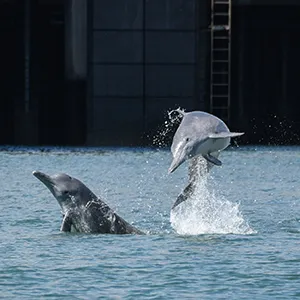
Inshore Dolphins
Coastal waters around Townsville support populations of Australian snubfin and humpback dolphins. The Port’s inshore dolphin monitoring program uses photographic identification surveys to understand dolphin distribution, movement and habitat use over time.
Findings indicate variability in dolphin abundance and distribution between years, reflecting movement between Cleveland Bay and surrounding areas. Observed changes are consistent with regional patterns and do not indicate clear long-term population decline.
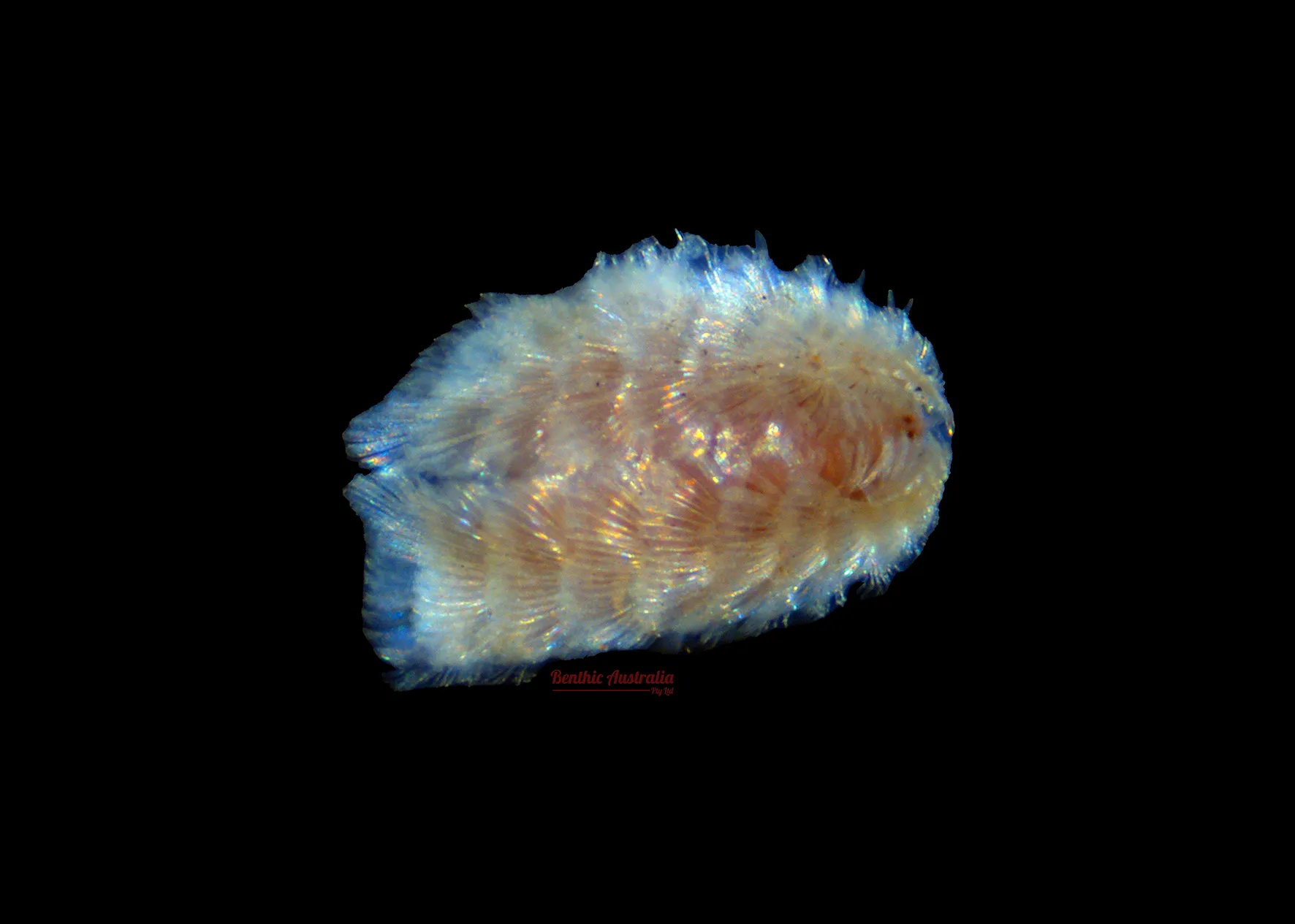
Benthic Fauna
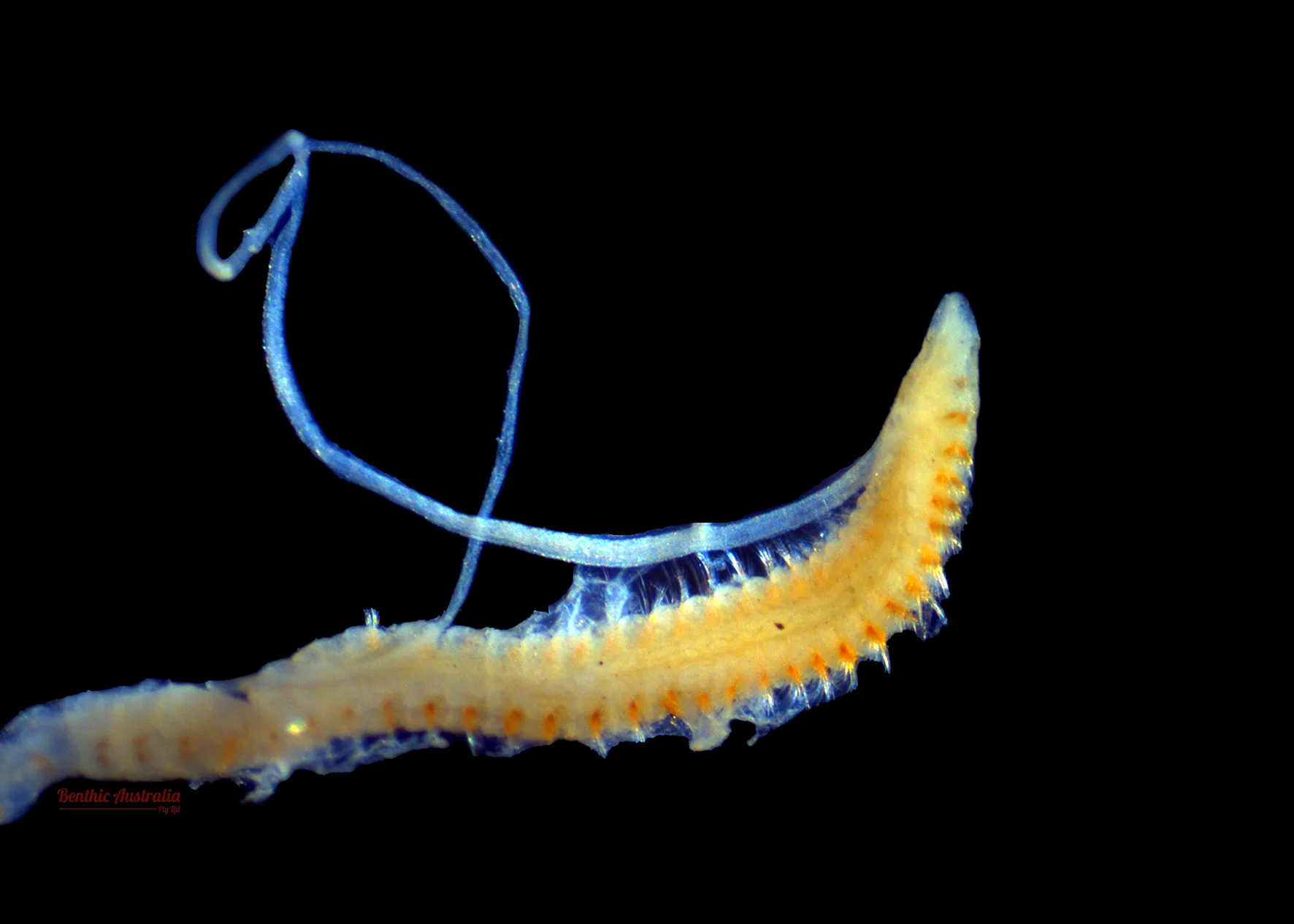
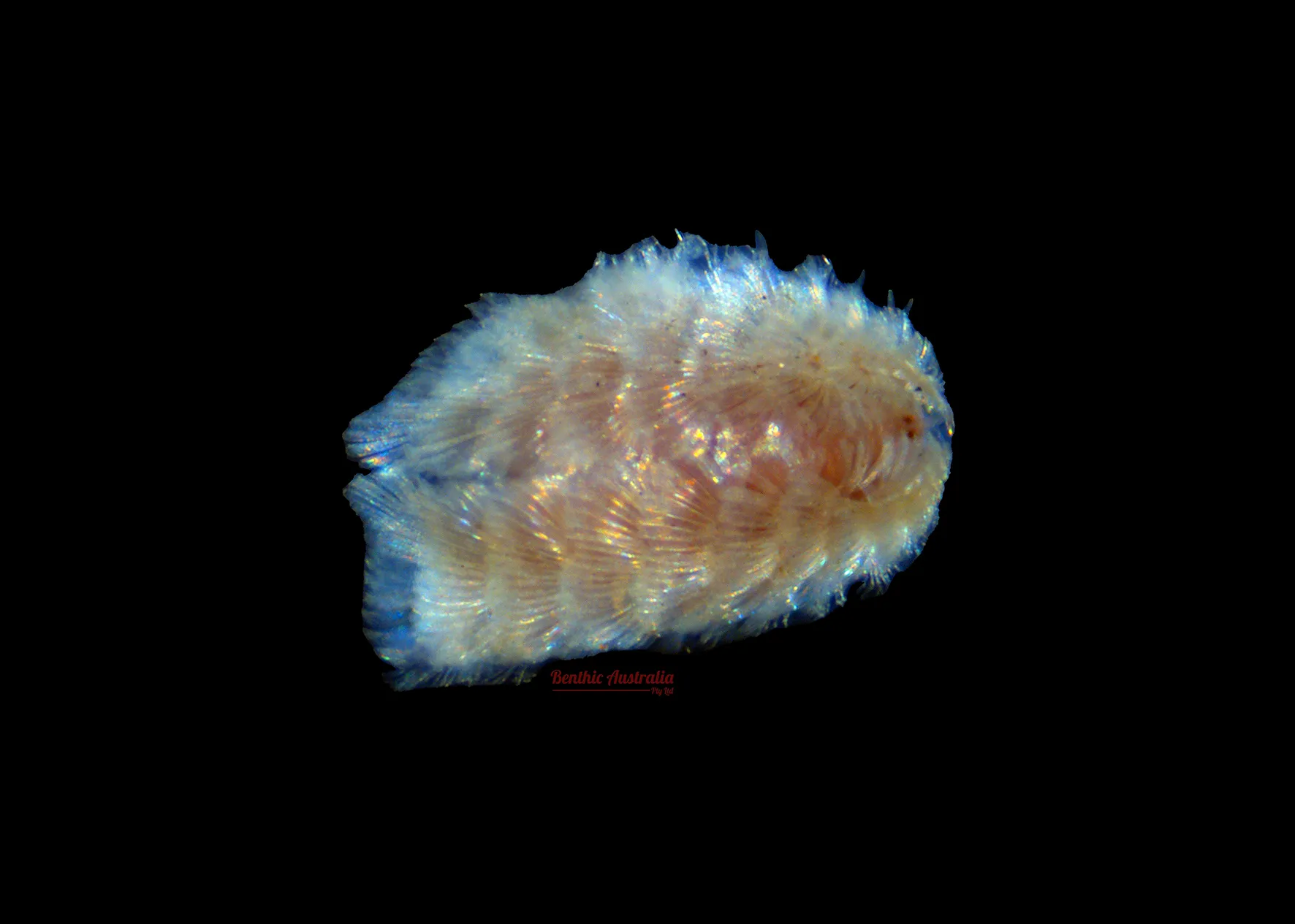
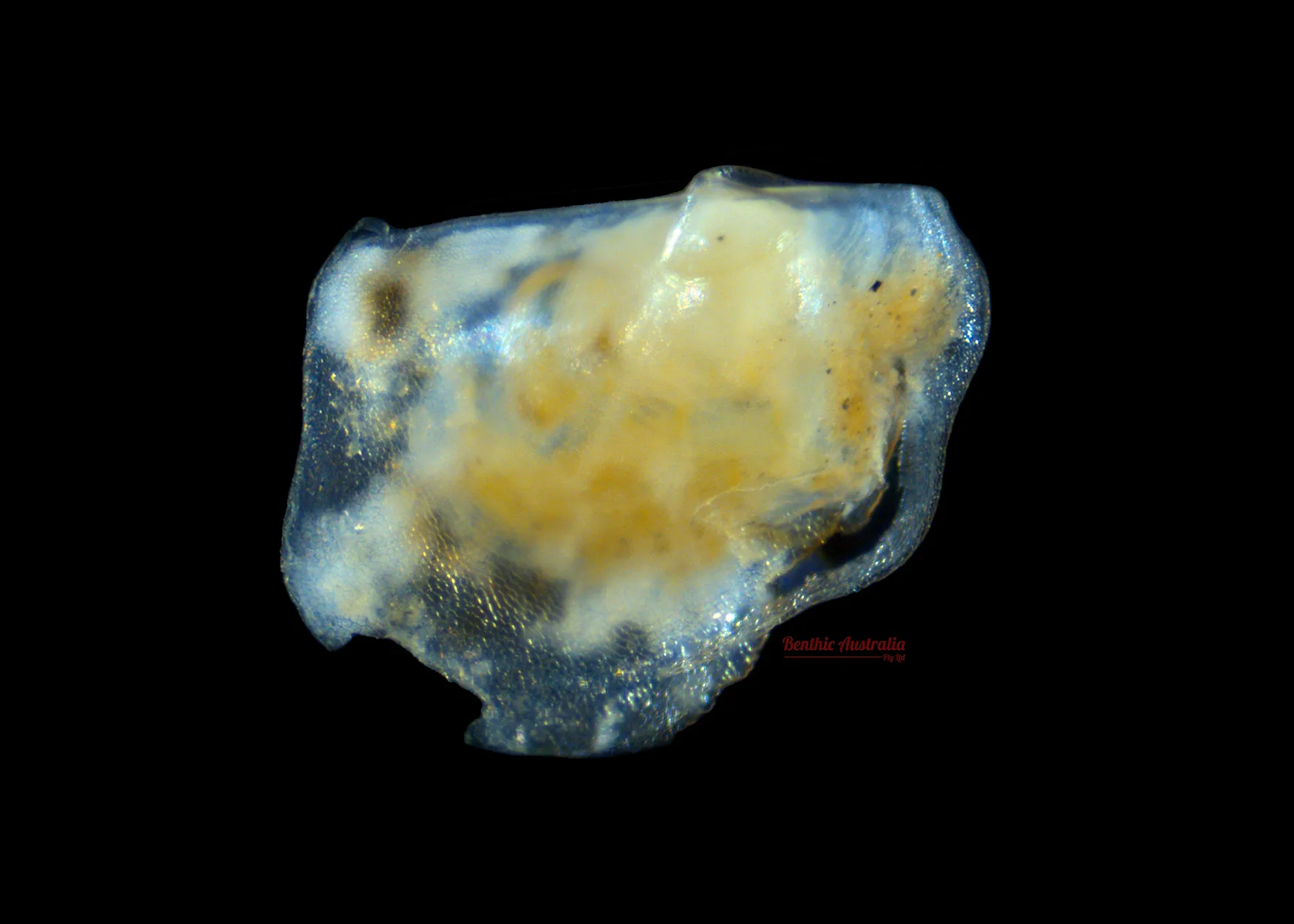
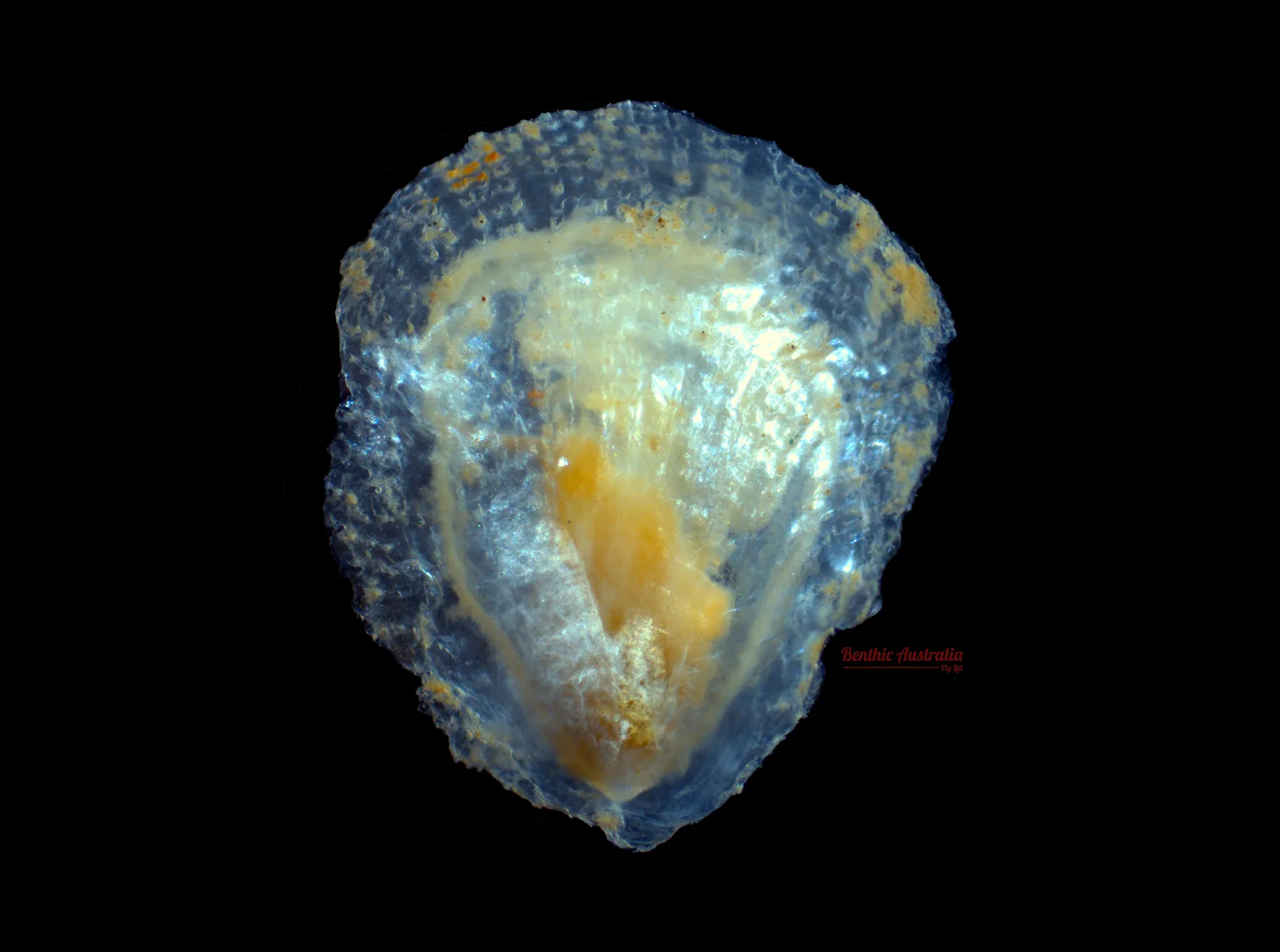
The Port has undertaken monitoring within and surrounding the Cleveland Bay Dredge Material Placement Area (DMPA) to assess the benthic communities living within the DMPA.
Marine benthic communities live within the seabed (the benthic zone) and provide ecological services including food provision and habitat foundation. Placement of dredged material can have a direct impact on the benthic organisms within the DMPA; therefore, the Port has investigated the presence, recovery, and resilience of the benthic communities.
Through burrowing, feeding, and digging into the seafloor, the benthic organisms mix the sediments and move nutrients, organic matter and oxygen through the layers, which help maintain a healthy ecosystem. This is known as bioturbation. Bioturbation was observed through the underwater footage of the DMPA after placement in the form of burrows and mounds, indicating the resilience of the benthic communities living in the DMPA through the placement of dredge material.
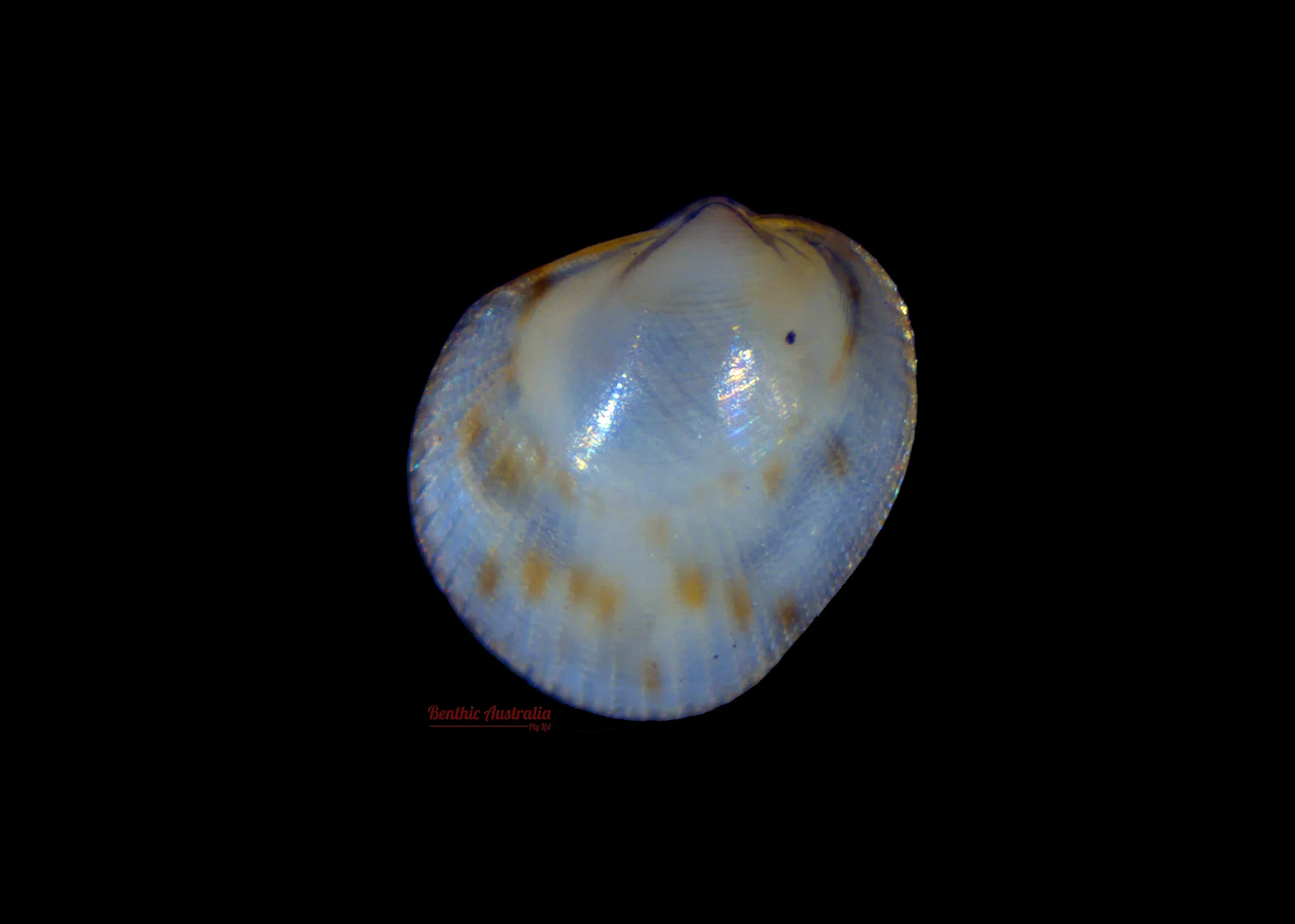
Limidae
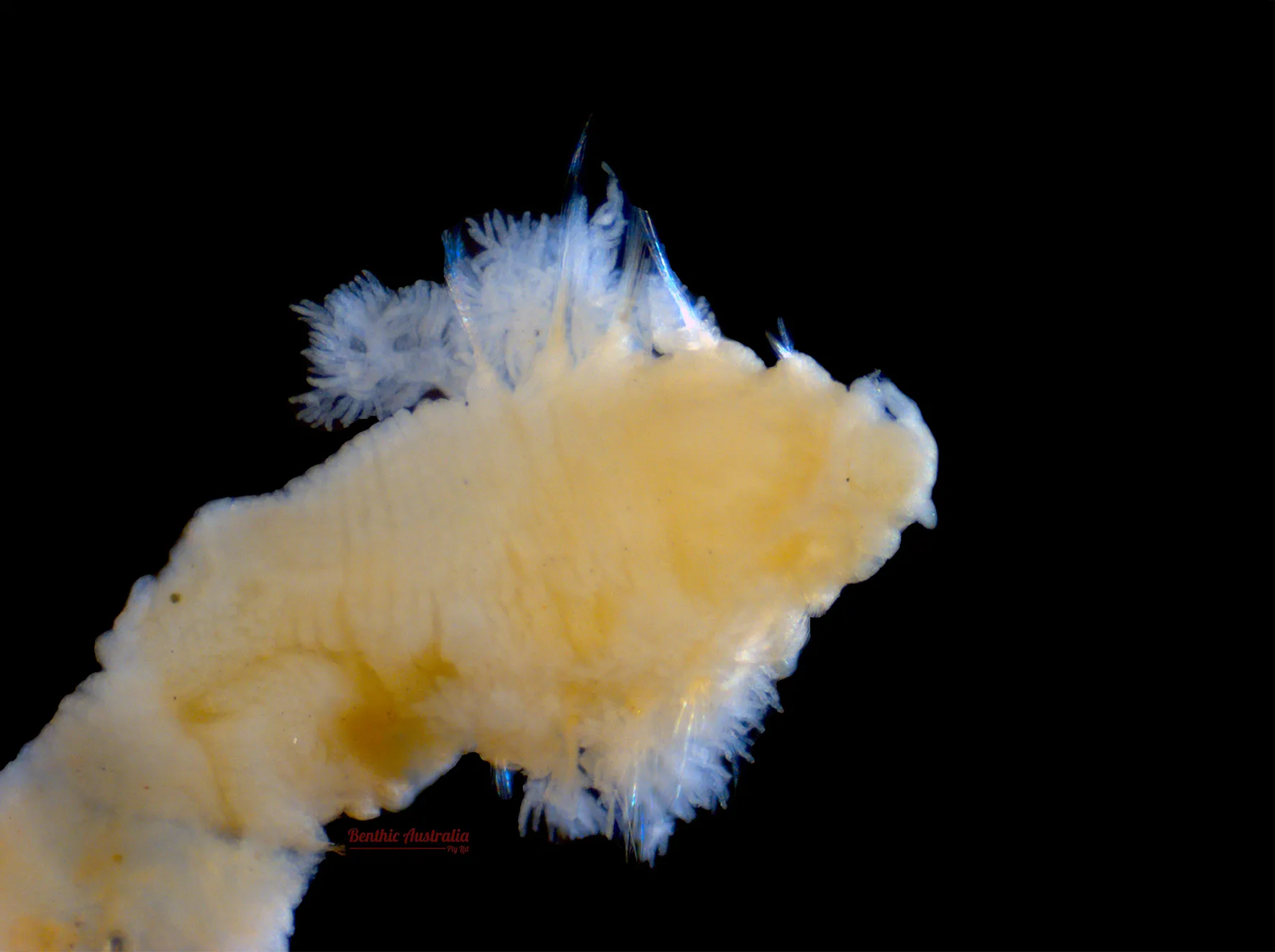
Scalibregmatidae
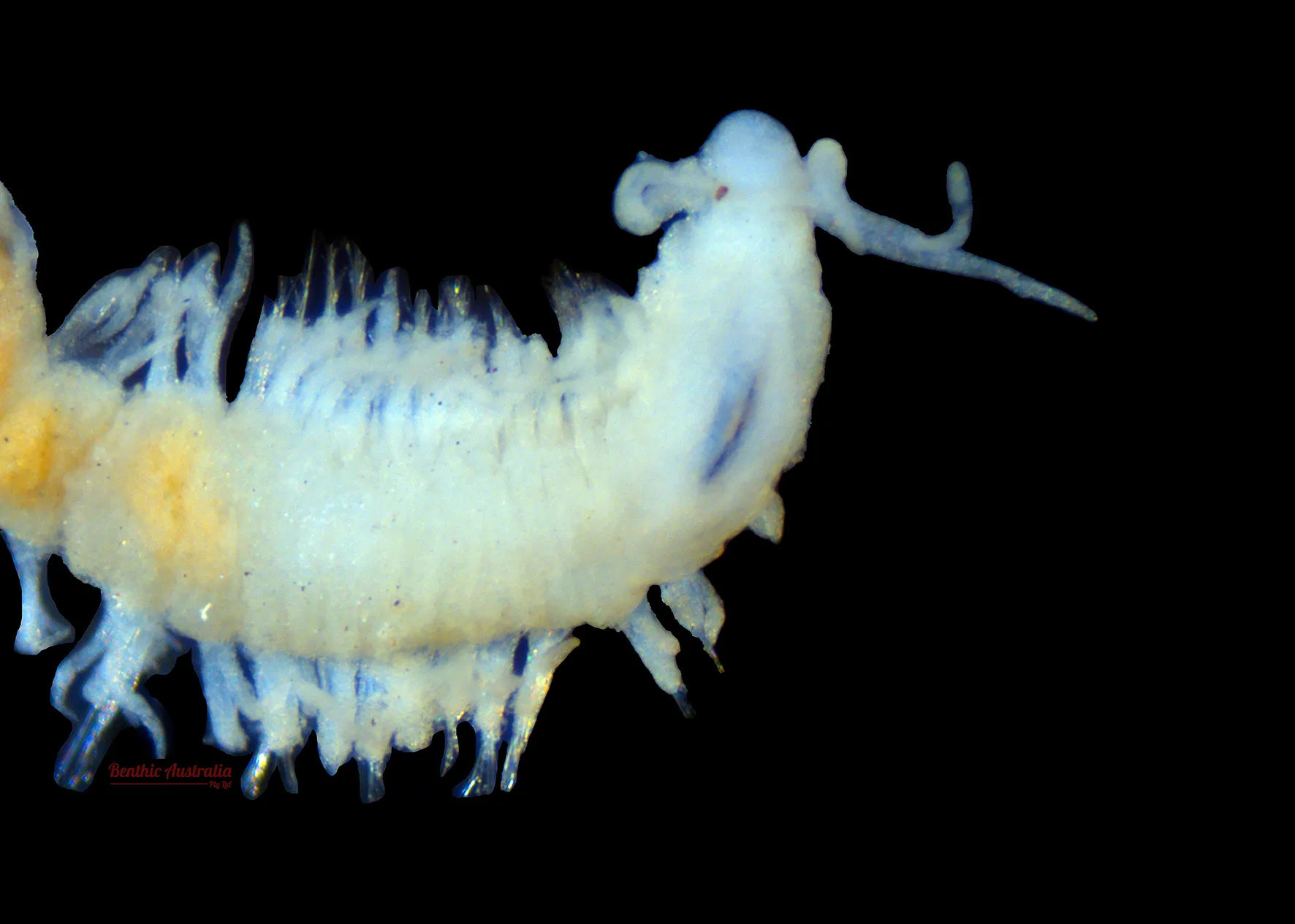
Dorvillidae
Cossuridae
Chrysoptellidae
Pterridae
Amonlidae
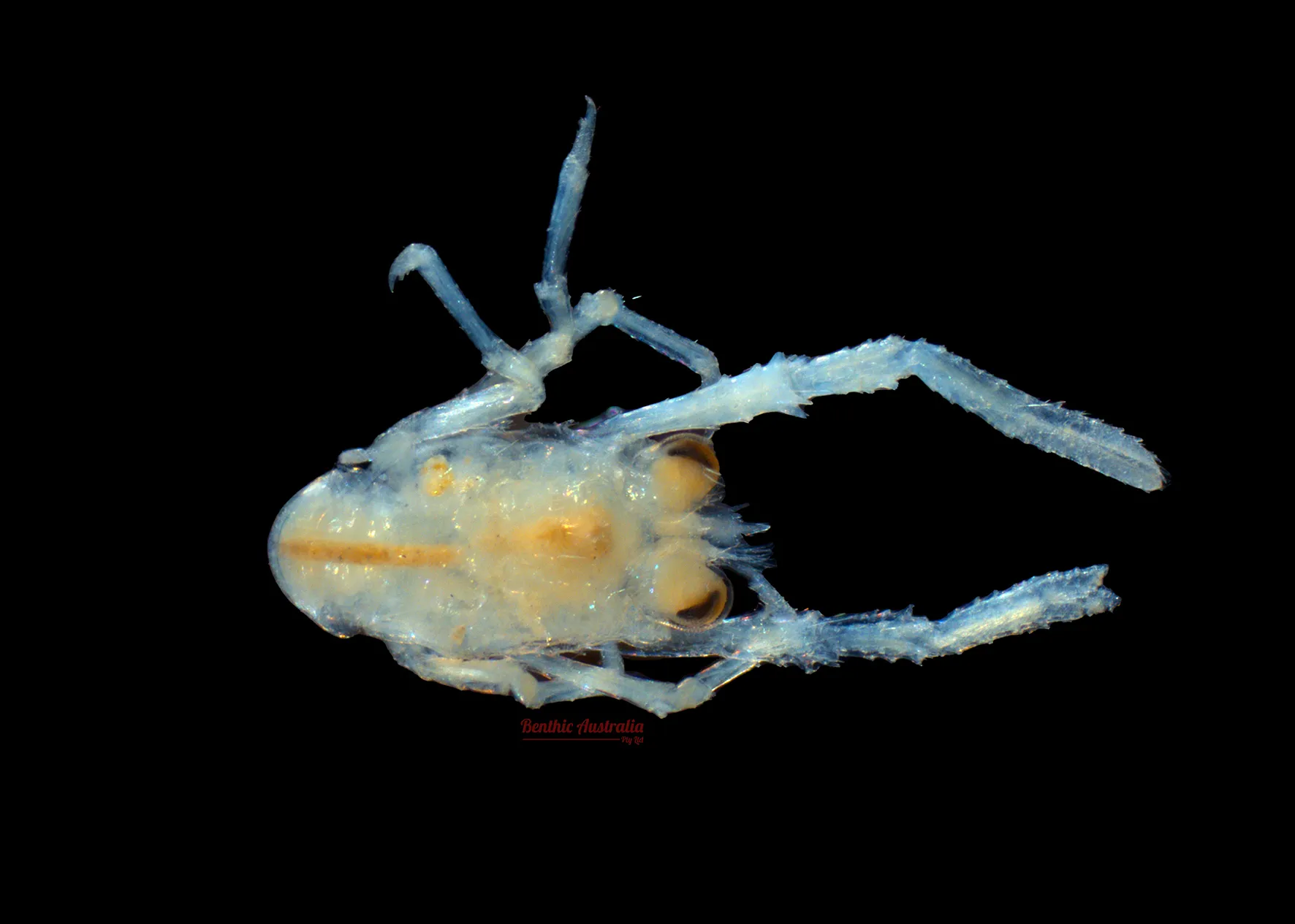
Galatheidae
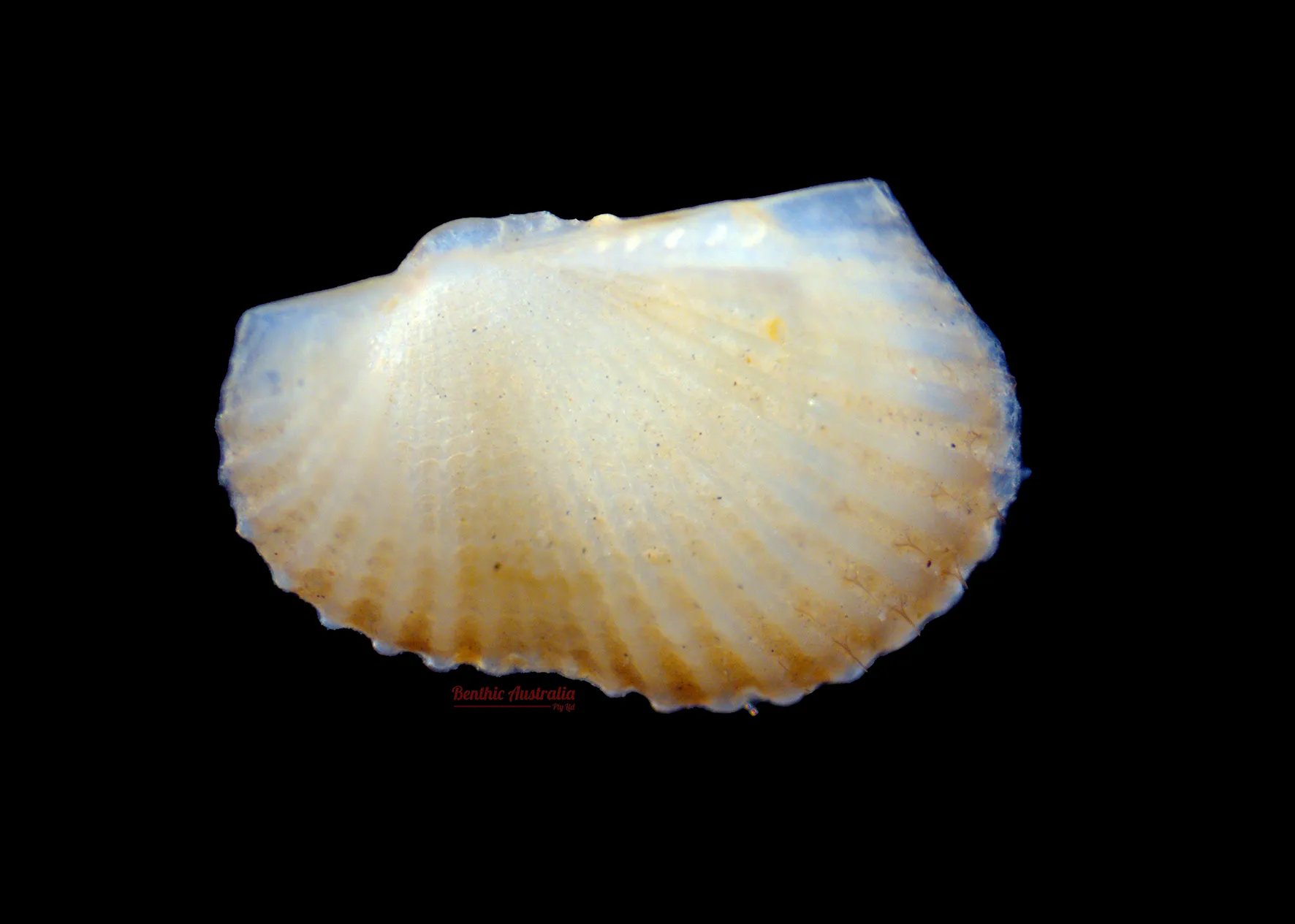
Arcidae
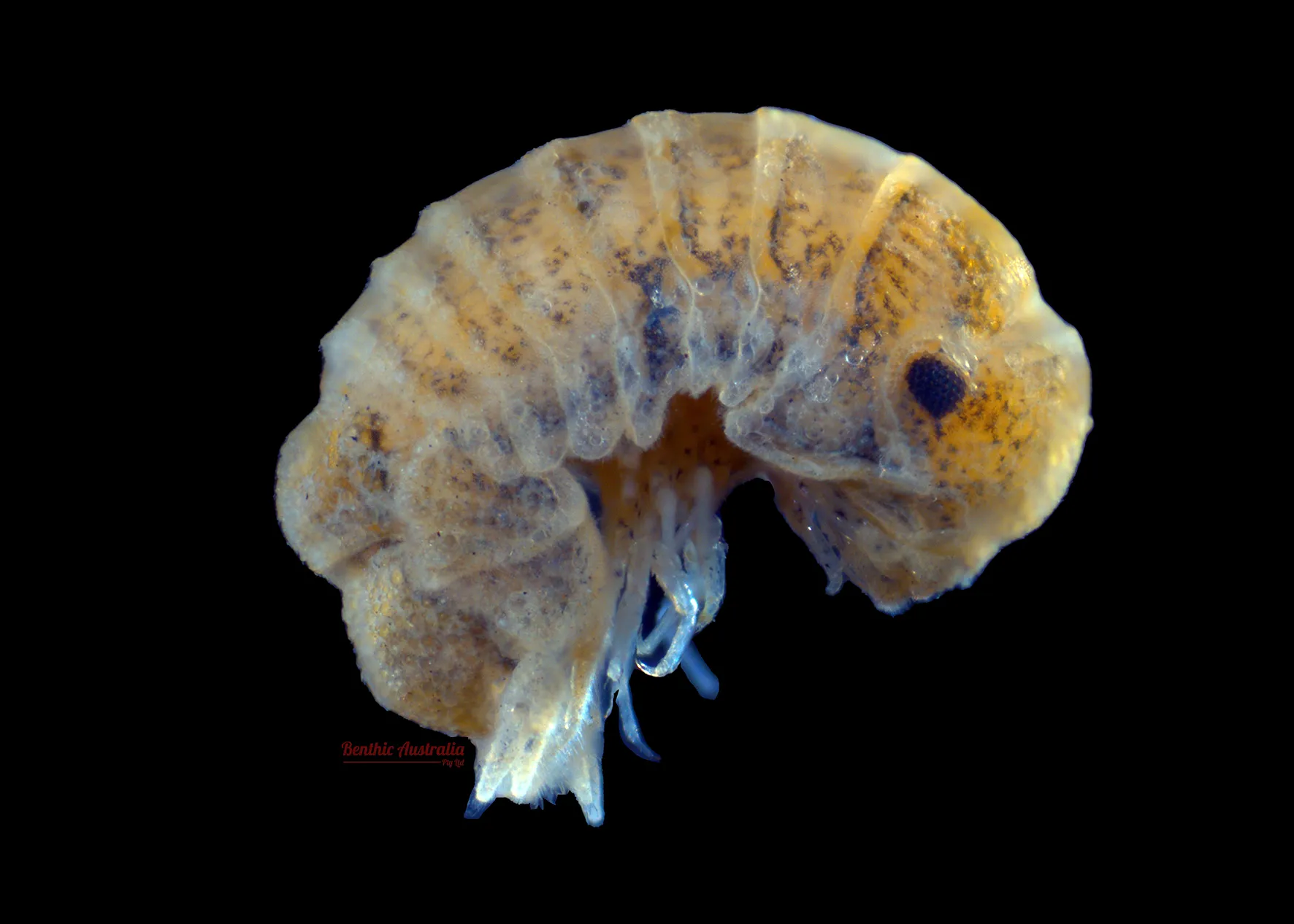
Sphaeromatidae
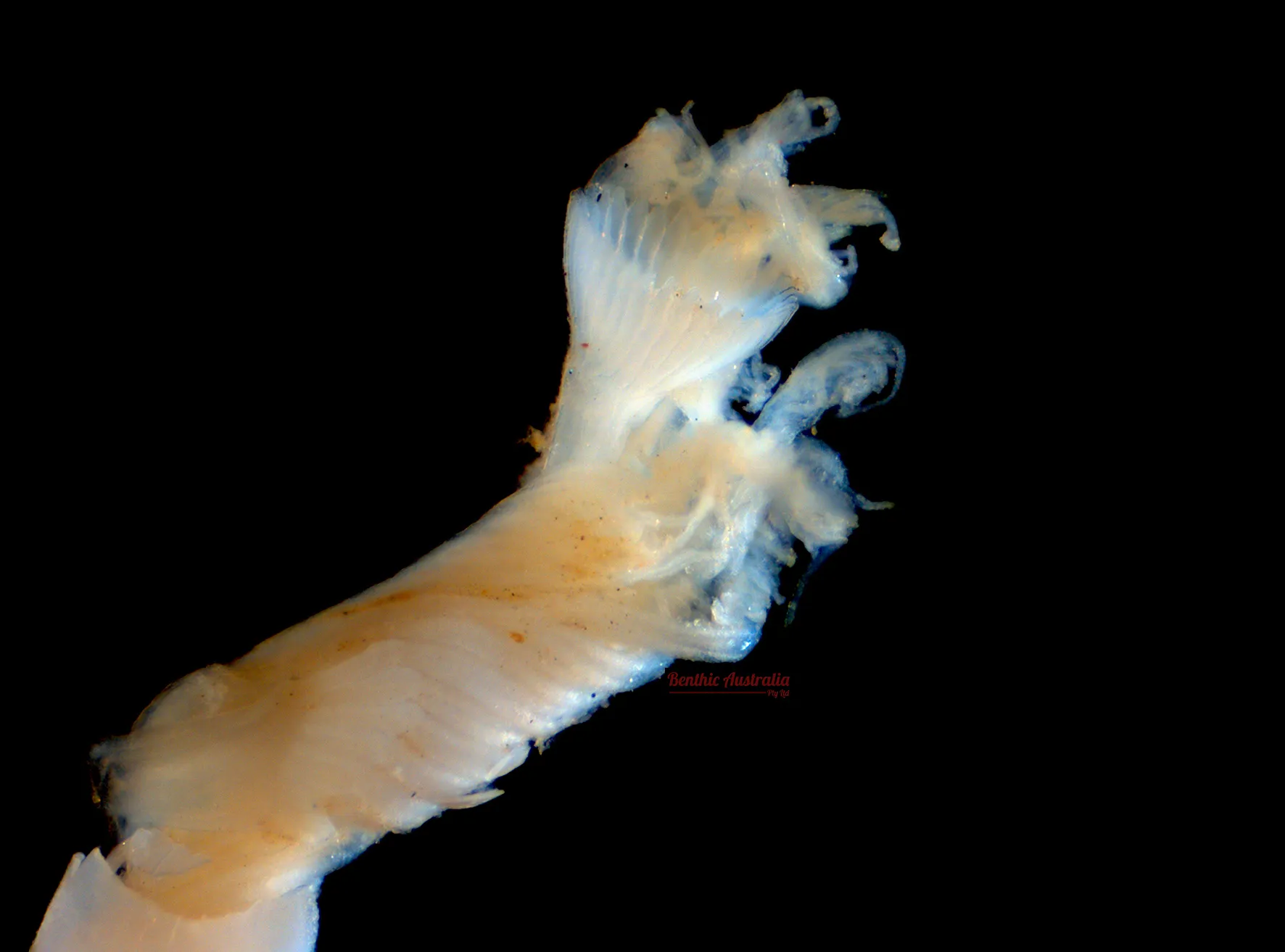
Serpulidae
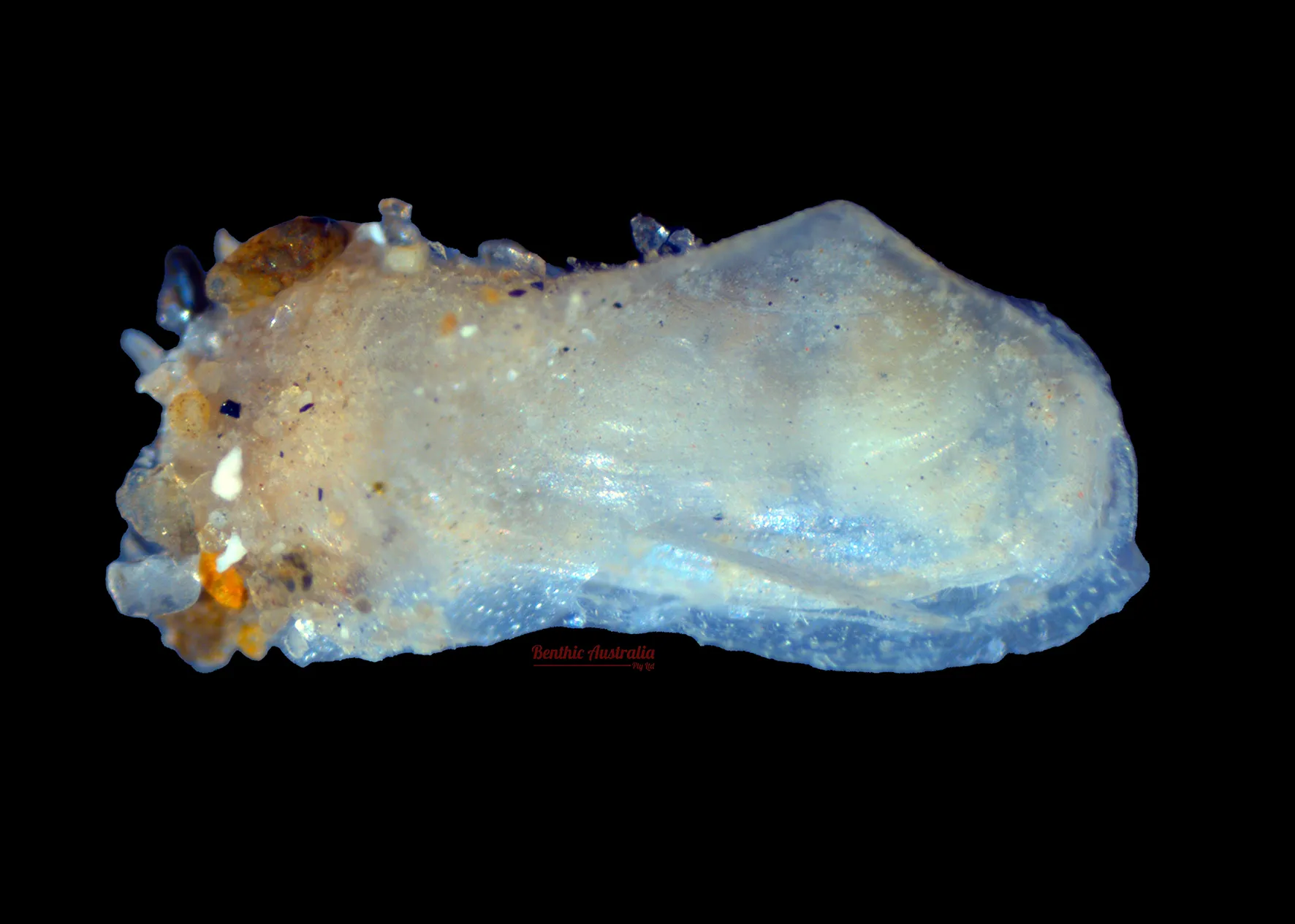
Laternulidae
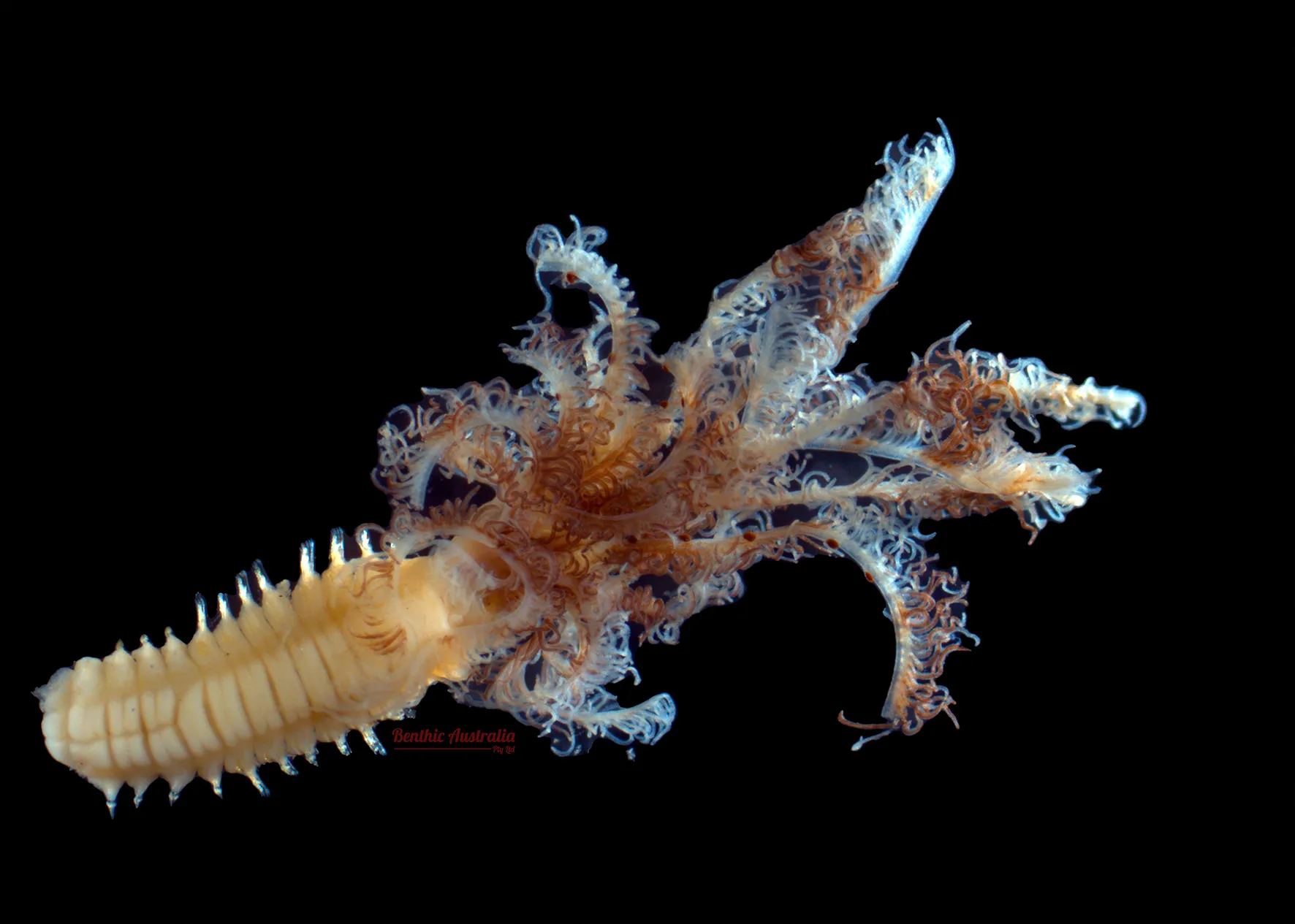
Sabellidae
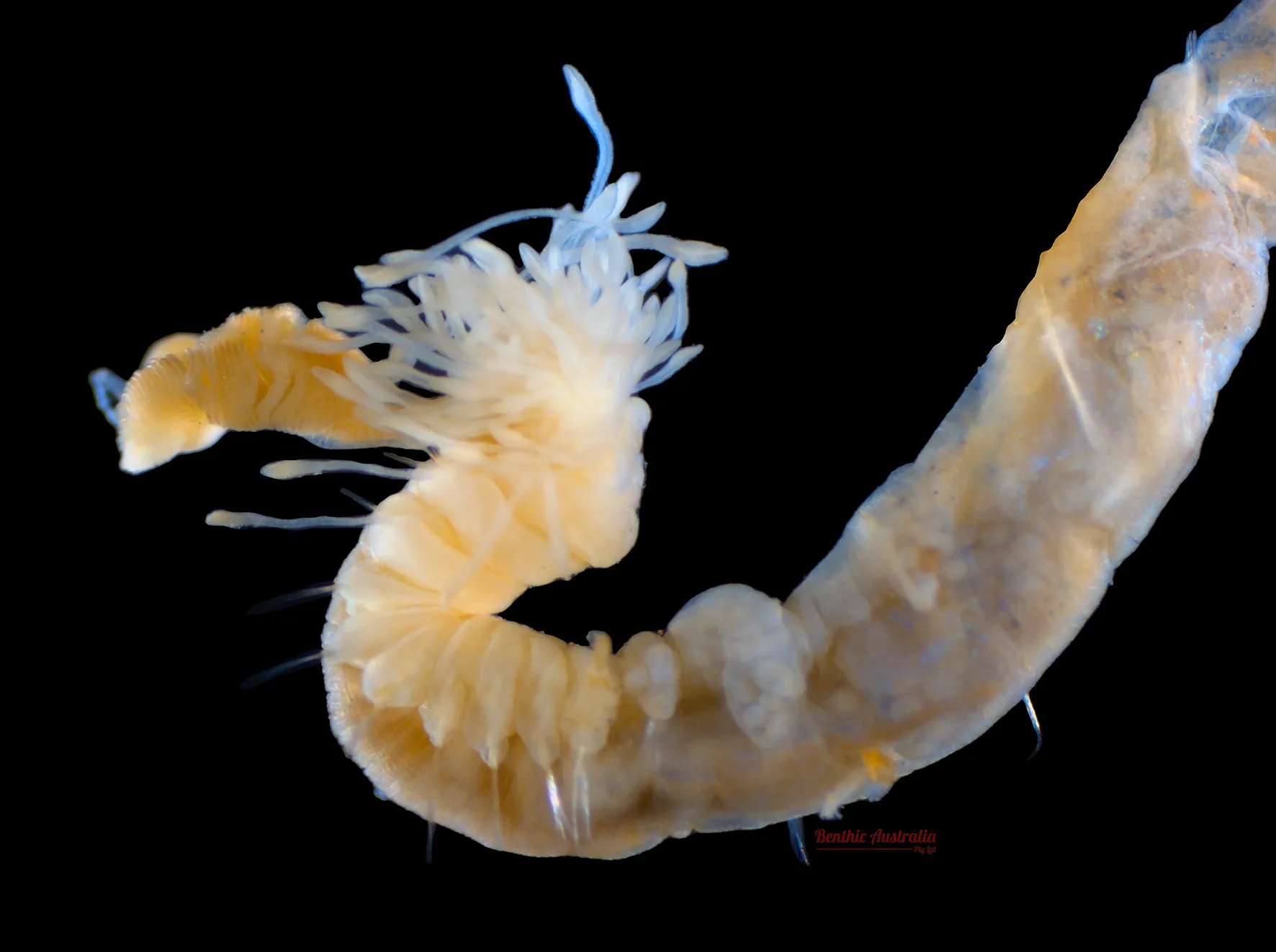
Trichobranchidae
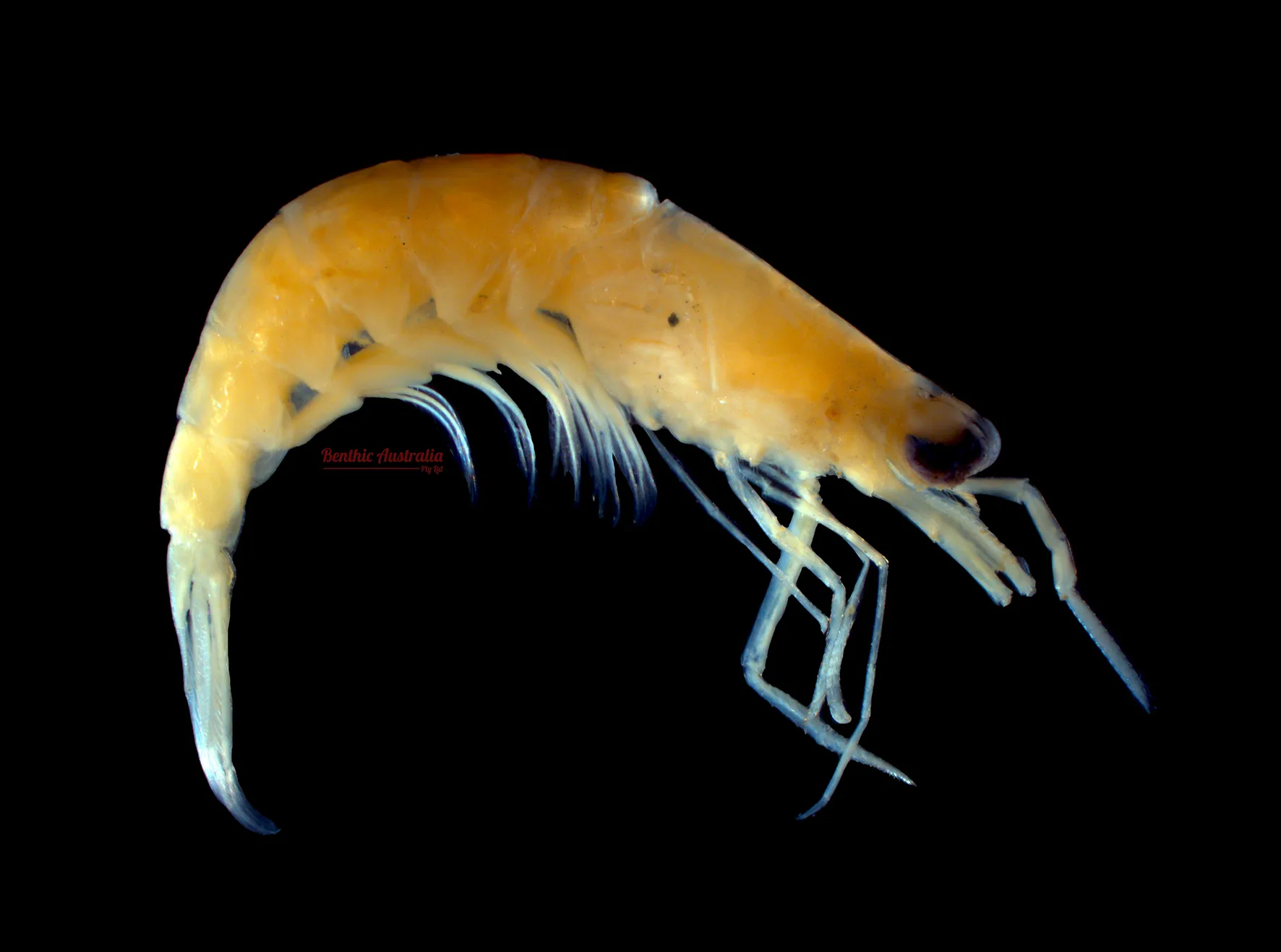
Processidae
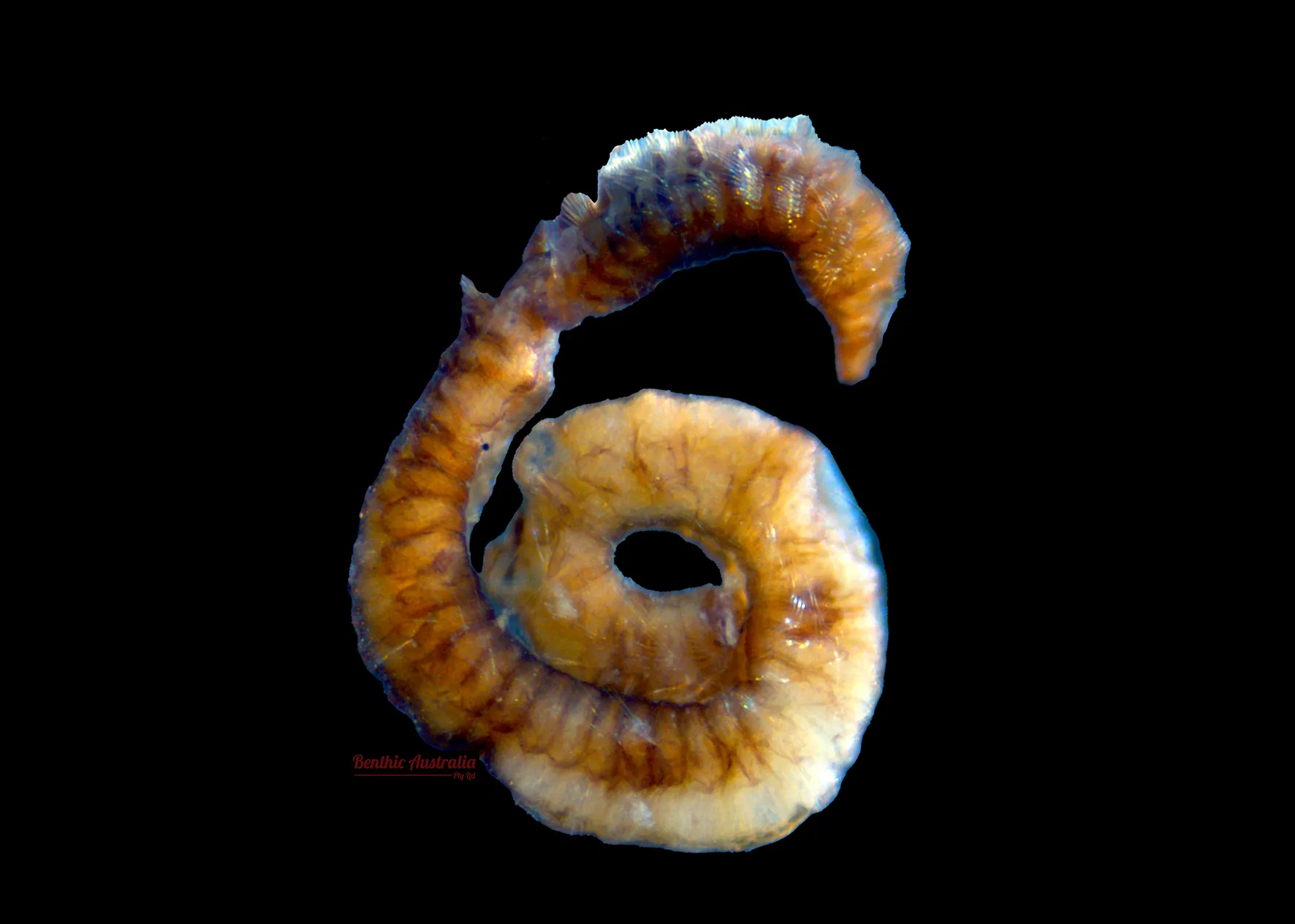
Pareonidae
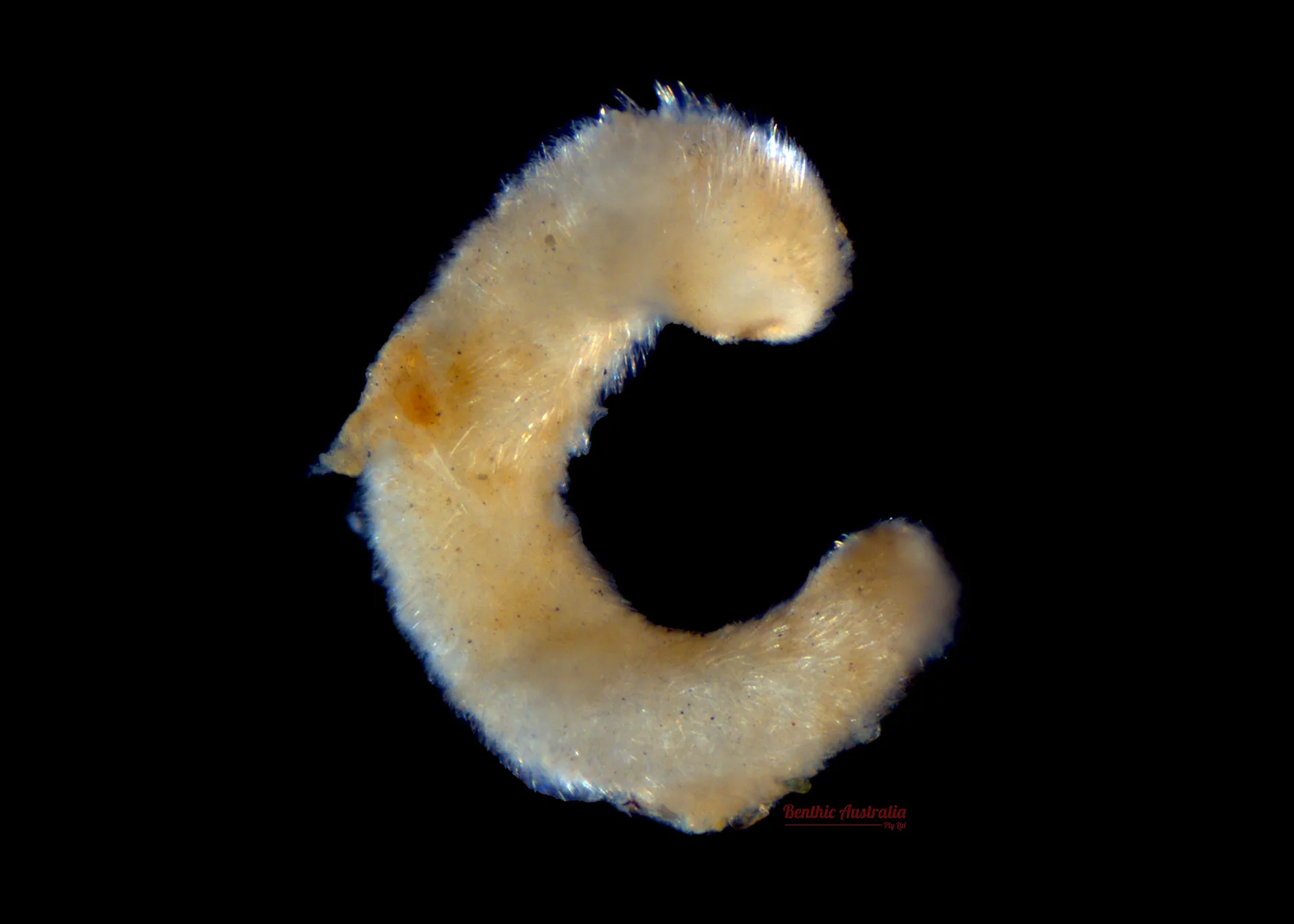
Alplacophora
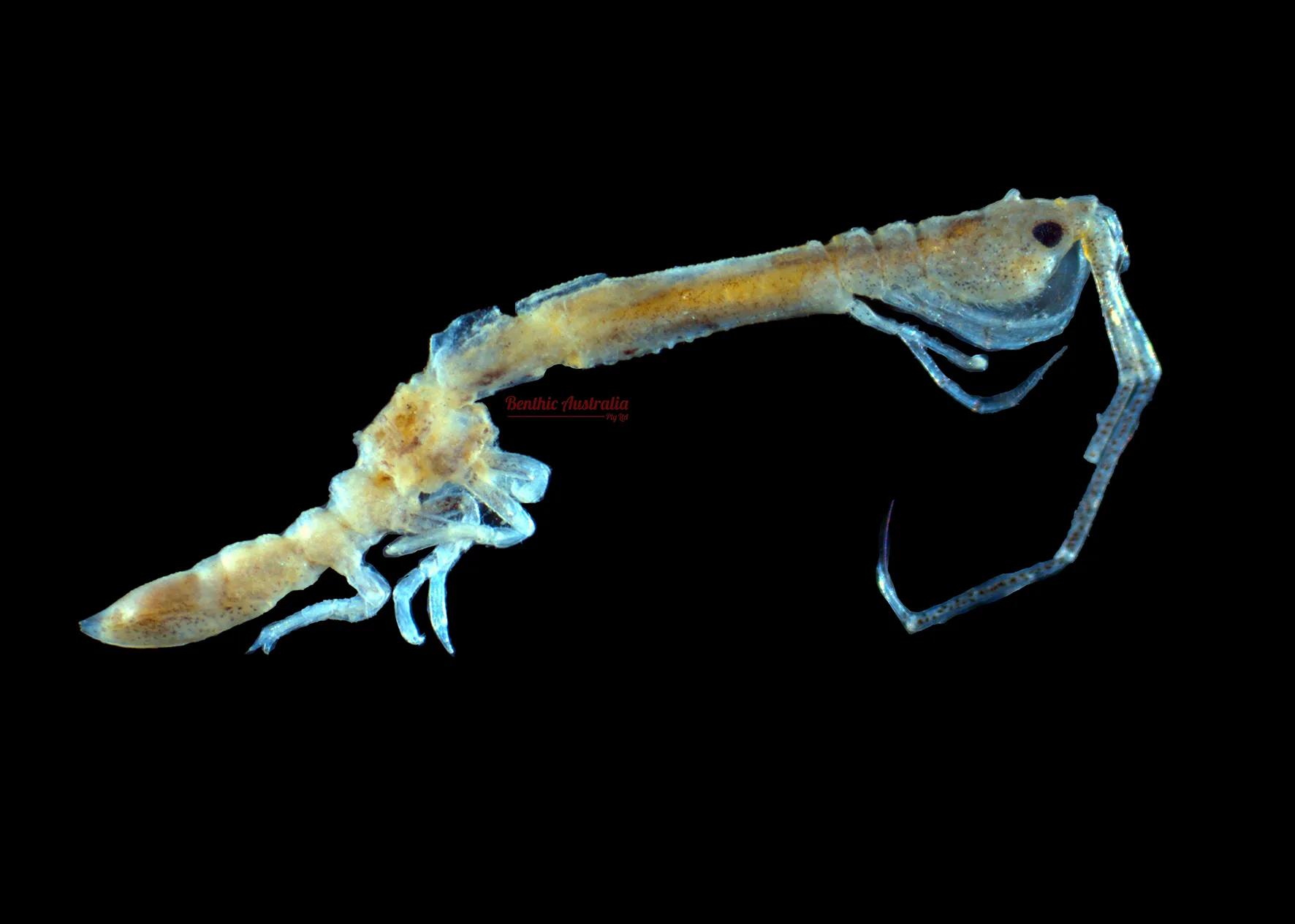
Arcturidae
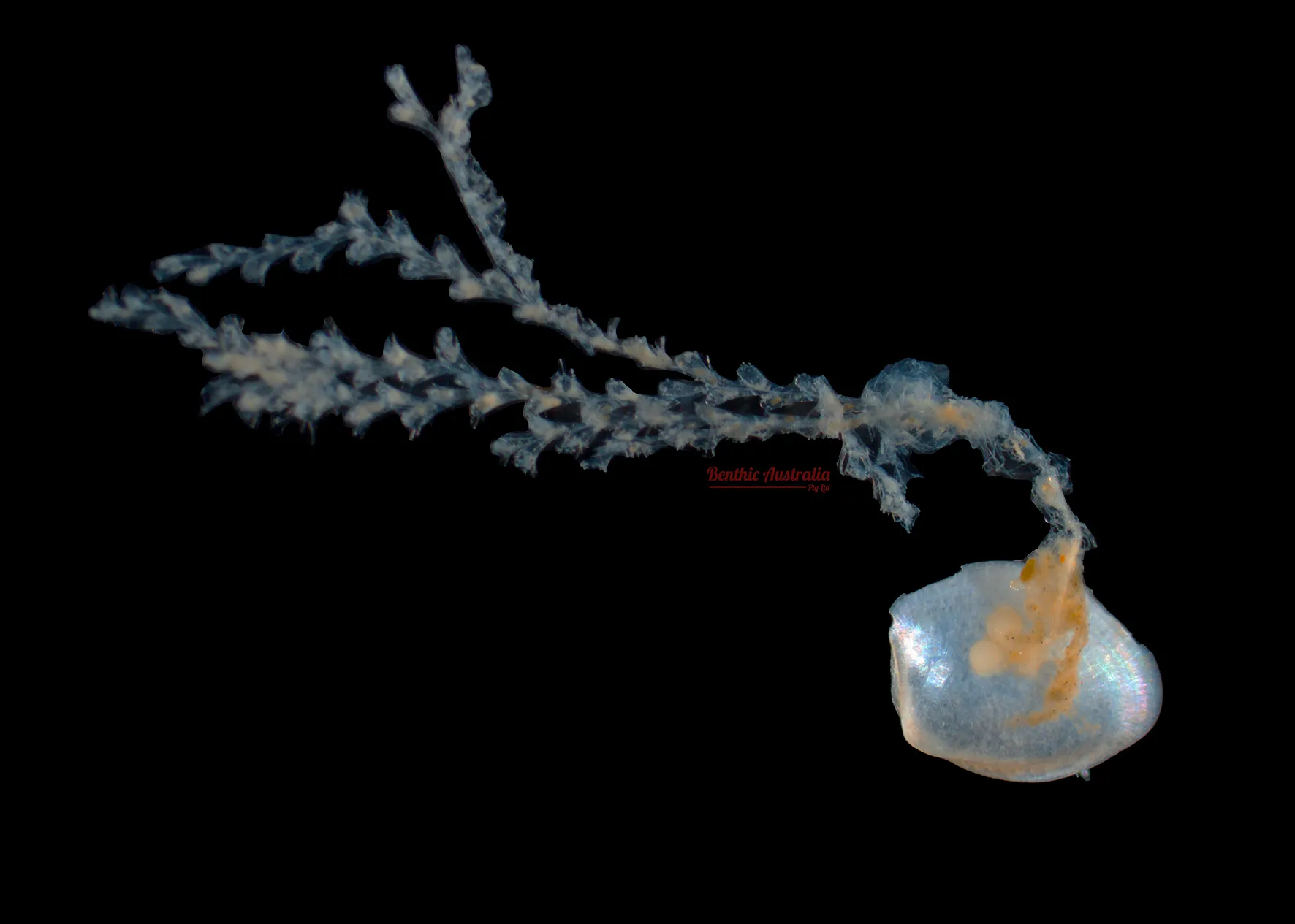
Hydrozoa