More pages in this section
Page last updated on 29-07-2026.
Our Port
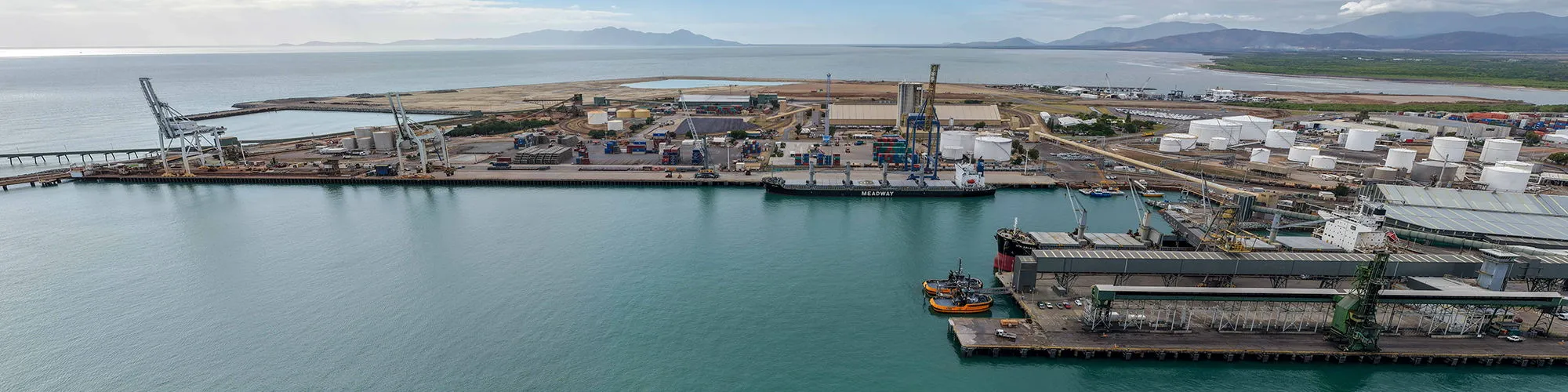
The Port was established in 1864. Over time, the city grew around it, creating the strong connection that exists today between the Port, the community and the region it serves. Generations of North Queenslanders have relied on the Port for jobs, trade, tourism, transport, recreation and the goods and services that support everyday life.
Our Port supports our communities, our industries, our cultural connections and our way of life. They are assets that belong to the broader North Queensland community and carry responsibilities that we all share.
Because ultimately, the conversation is not just about the Port of Townsville. It's about our Cleveland Bay, our community and our shared future.
As Northern Australia’s most diverse and strategic trade gateway, the Port of Townsville is central to supply chains that drive the State’s economy.
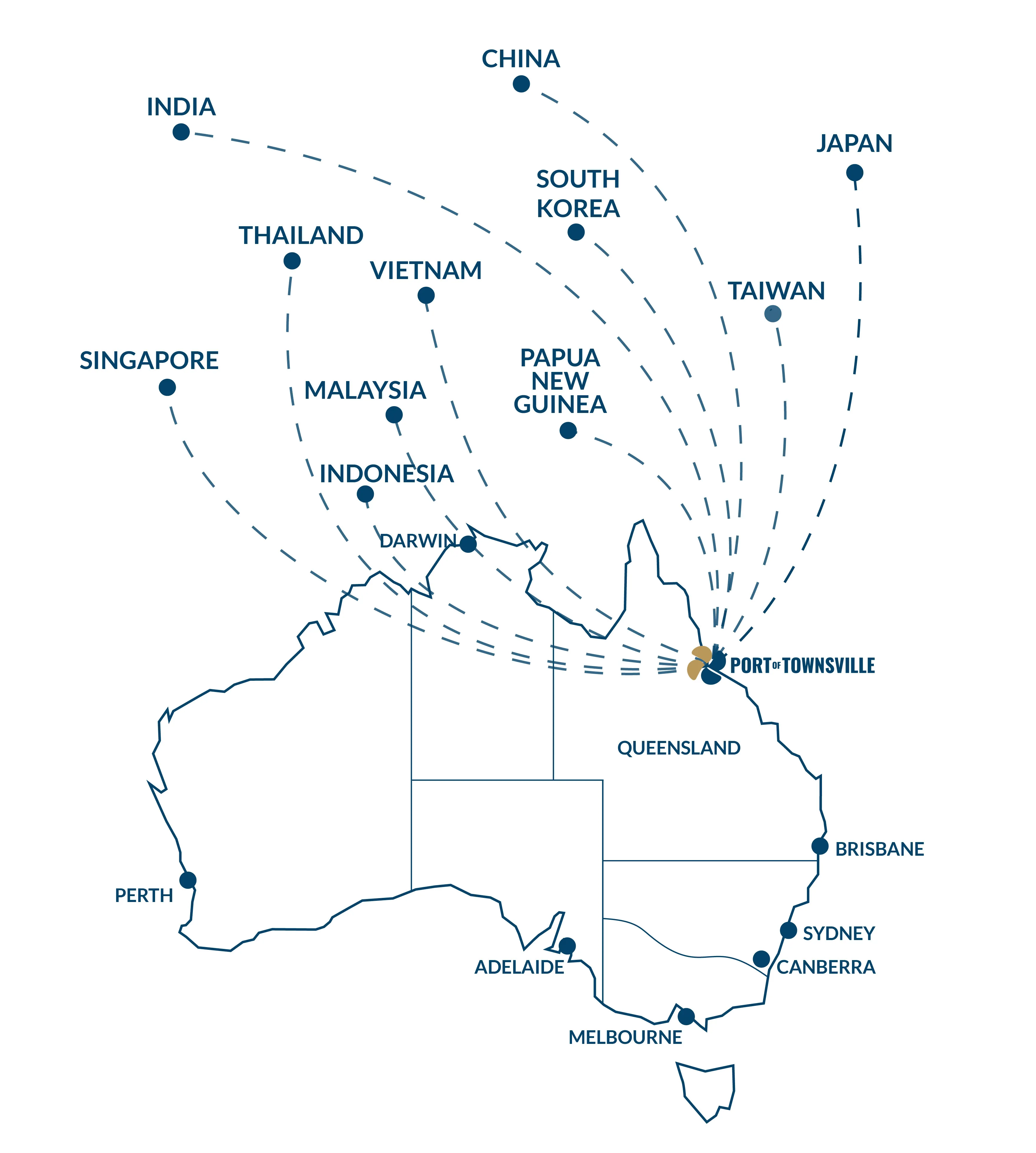
Each year, the Port handles around 7 million tonnes of goods, linking customers to more than 130 ports across 44 countries, with more than 75% of trade occurring with South East Asia. The Port is Australia’s largest exporter of copper, zinc, lead, sugar, fertiliser and
molasses, and the nation’s leading northern port for containerised cargo and motor vehicles. With established road and rail connections to the North West Minerals Province, the Port is positioned as a critical hub for global demand for critical and strategic minerals, renewable energy and fuels and agriculture.
It also plays a pivotal role in national defence logistics and has a modern cruise terminal providing a gateway to North Queensland’s unique tourism experiences.
Dredging and Placement StoryMap
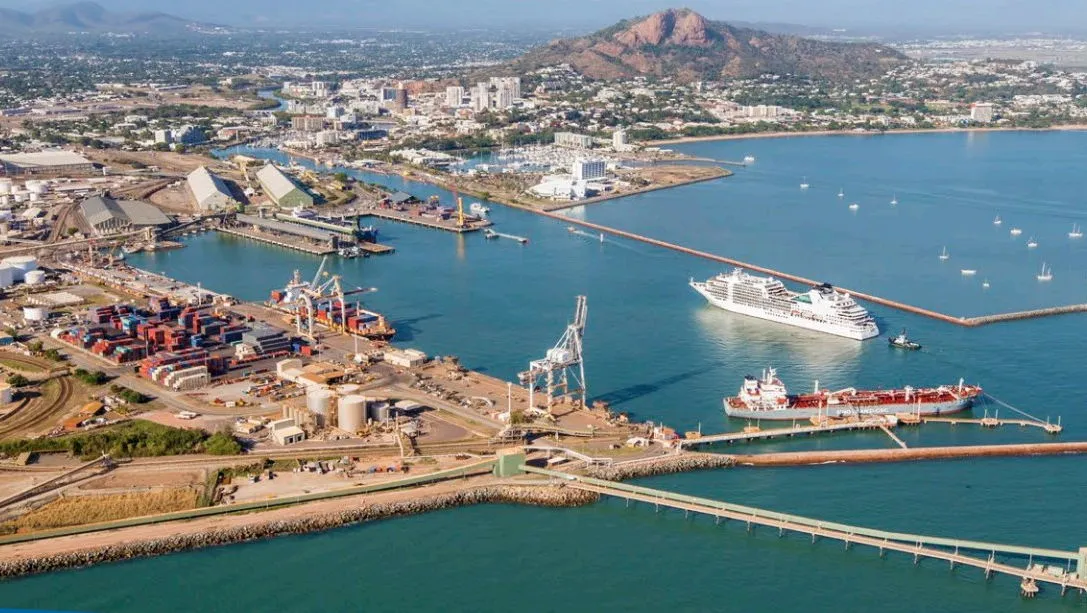
Under the Transport Infrastructure Act 1994 (Queensland), the Port is responsible for establishing, managing and operating efficient port facilities and services. This includes ensuring safe navigational depths within Cleveland Bay’s commercial shipping channels are suitably maintained. Maintenance dredging is essential to keep the Port of Townsville operating safely and reliably, supporting the continued movement of fuel, household goods, building materials and vehicles that communities rely on every day, as well as exports that underpin North Queensland’s industries and economy.
The Port has created a StoryMap that explains how important dredging and placement is, and continues to be to our port operations and North Queensland.
Economic Value
To assess the economic implications of maintenance dredging and sea placement to the Port, North Queensland economy and supply chains, the Port of Townsville commissioned independent economic consultants to undertake an evidence-based assessment of the economic implications of different dredged material management options.
The assessment concluded that continued maintenance dredging with sea placement at the existing Dredge Material Placement Area (DMPA) remains the most effective option for maintaining safe navigational access and supporting efficient Port operations.
Priority Port Masterplan
The Port is recognised as a Priority Port under the Sustainable Ports Development Act 2015 (Queensland), reflecting our role in supporting supply chains and economic activity across North Queensland.
The Priority Port Master Plan sets out the long-term plan for the sustainable development of the Port of Townsville until the year 2050, balancing economic growth for the region whilst also providing for the protection of the Great Barrier Reef. It also recognises the Port of Townsville is critical to the economic future of the region and established a foundation for economic activity generated by port industries and long-term investment for the region.
To learn more on the Department of Transport and Main Roads Master Plan:
Port of Townsville - Priority Port Masterplan Information DTMR Webpage